A Smart, Strength-Focused Guide for Women 35–50 Searches for: best supplements for perimenopauseperimenopause brain fog supplementsstrength training perimenopausecreatine for perimenopausesupplement stack for women over 40 have increased dramatically. Perimenopause — the transition leading up to menopause — can begin in the mid-30s to early 40s and last several years. Hormonal fluctuations during this phase can influence: Energy levelsRecoverySleep qualityBody compositionCognitive...
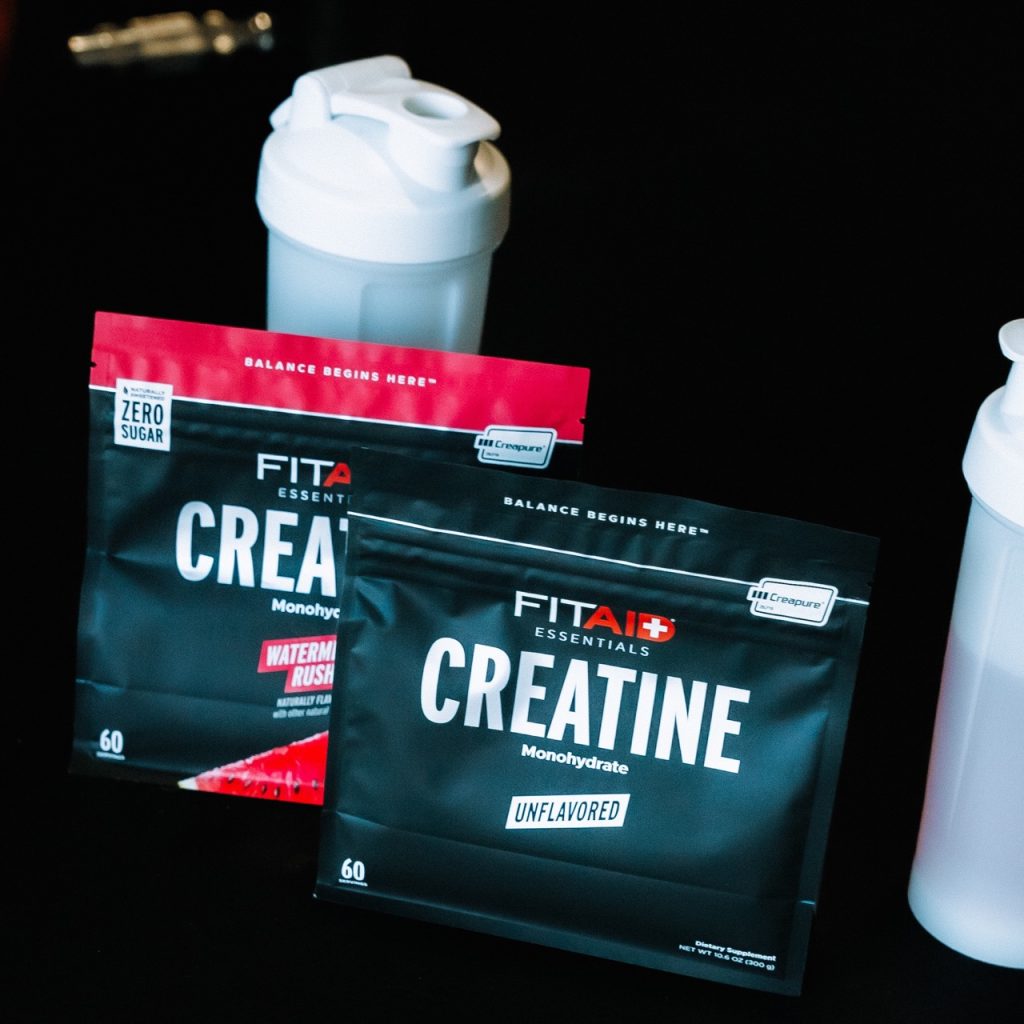
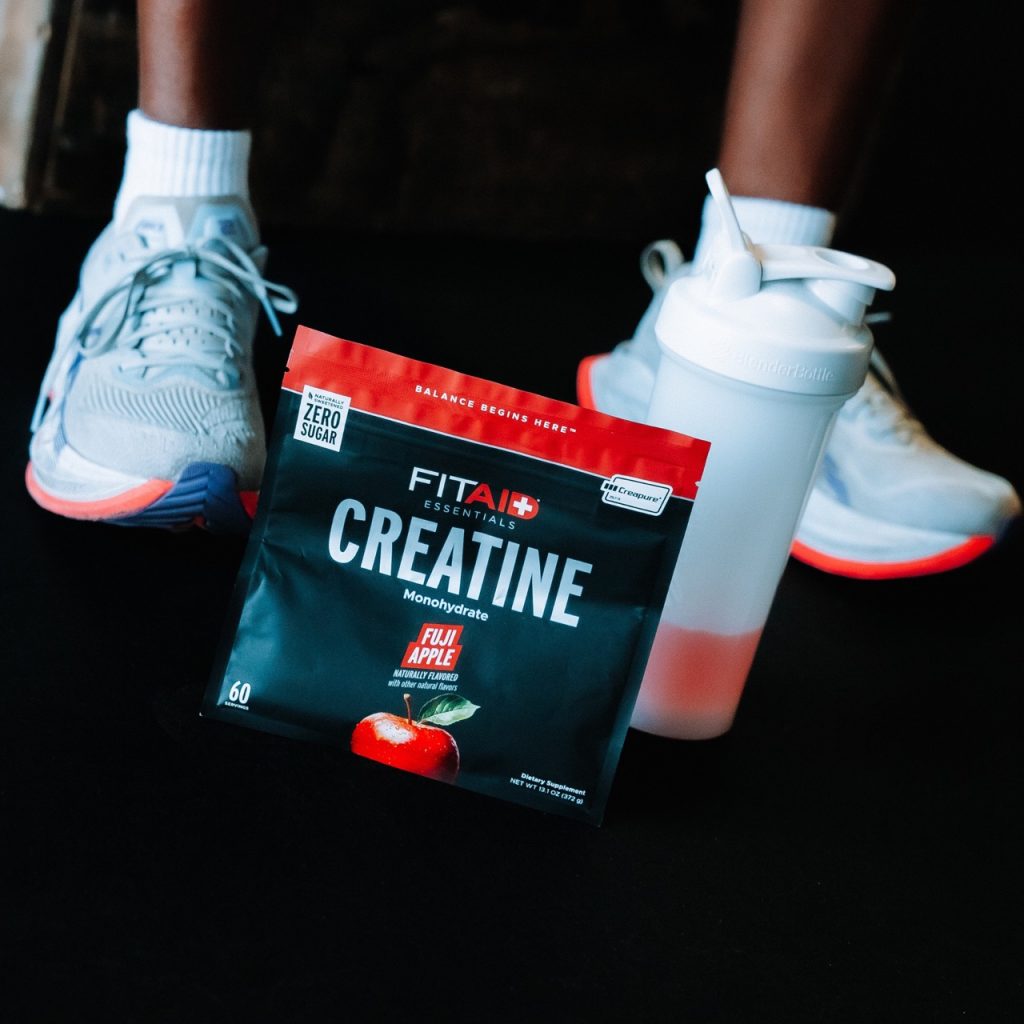
Why does FITAID Chose CreaPure® Creatine Monohydrate? FITAID is now powered by CreaPure®, the gold standard in creatine monohydrate. Made in Germany, supported by decades of research, and trusted by elite athletes worldwide, CreaPure® represents the purest form of creatine available today. This upgrade reflects our ongoing commitment to ingredient integrity, performance support, and transparency—without compromise. See the Purity Difference...
Why Training Feels Different — and How to Adapt Many women notice a shift in their 40s. Workouts feel harder. Recovery takes longer. Sleep becomes unpredictable. Searches for: “sleep problems after 40 women”“perimenopause insomnia”“recovery after 40”“hormones and sleep menopause” have risen sharply in recent years. The good news? These changes are common — and manageable with the right strategy. Let’s...
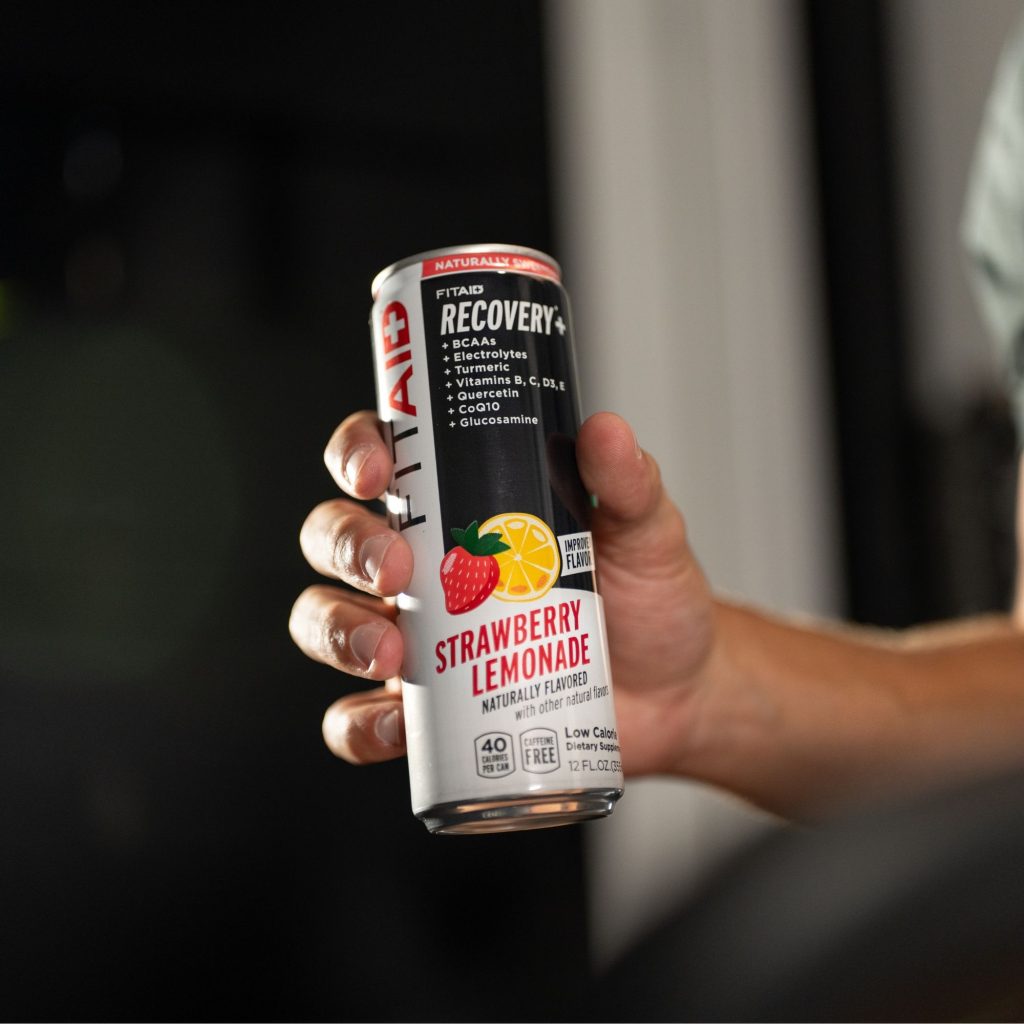
What They Are, Why They Matter & How to Choose the Best One Functional fitness, CrossFit, Hyrox, obstacle course racing, and hybrid training programs demand more — from your muscles, your metabolism, and your recovery systems. If you’re training hard, you’ve probably searched: best recovery drink for functional fitnesswhat to drink after CrossFitrecovery drink benefitspost-workout beverage functional fitnesszero sugar recovery...
A Clear, Side-by-Side Comparison FeatureSynthetic CaffeinePlant-Based Caffeine (FITAID)SourceManufactured through an industrial processExtracted from plantsCommon OriginsLab-produced caffeine powderGreen tea leaves, yerba mateLabel DisclosureOften listed simply as “caffeine” or within blendsSource typically specified on labelIngredient ContextIsolated compoundComes from identifiable botanical sourcesUse in Proprietary BlendsCommonRareConsumer TransparencyVariableHighFITAID Usage❌ Not used✅ Used exclusivelyRegulatory StatusFDA-permittedFDA-permittedTypical Consumer Preference TrendDecliningGrowing
Your Top Questions About CreaBev® Answered What is stabilized liquid creatine? Stabilized liquid creatine is a form of creatine designed to remain chemically stable in water over time. Unlike standard creatine monohydrate, which can degrade when left in liquid, stabilized creatine uses protective technology—such as encapsulation—to help maintain its structure and integrity throughout a beverage’s shelf life. CreaBev® is an...
Cognitive Function, Mental Performance & the Aging Brain Creatine is widely known for its role in muscle performance. But interest is rapidly growing around a different question: Does creatine support brain health? Searches for: creatine for brain healthcreatine and memorycreatine cognitive functioncreatine for mental claritycreatine and aging brain have increased significantly over the past few years. This article explores: How...
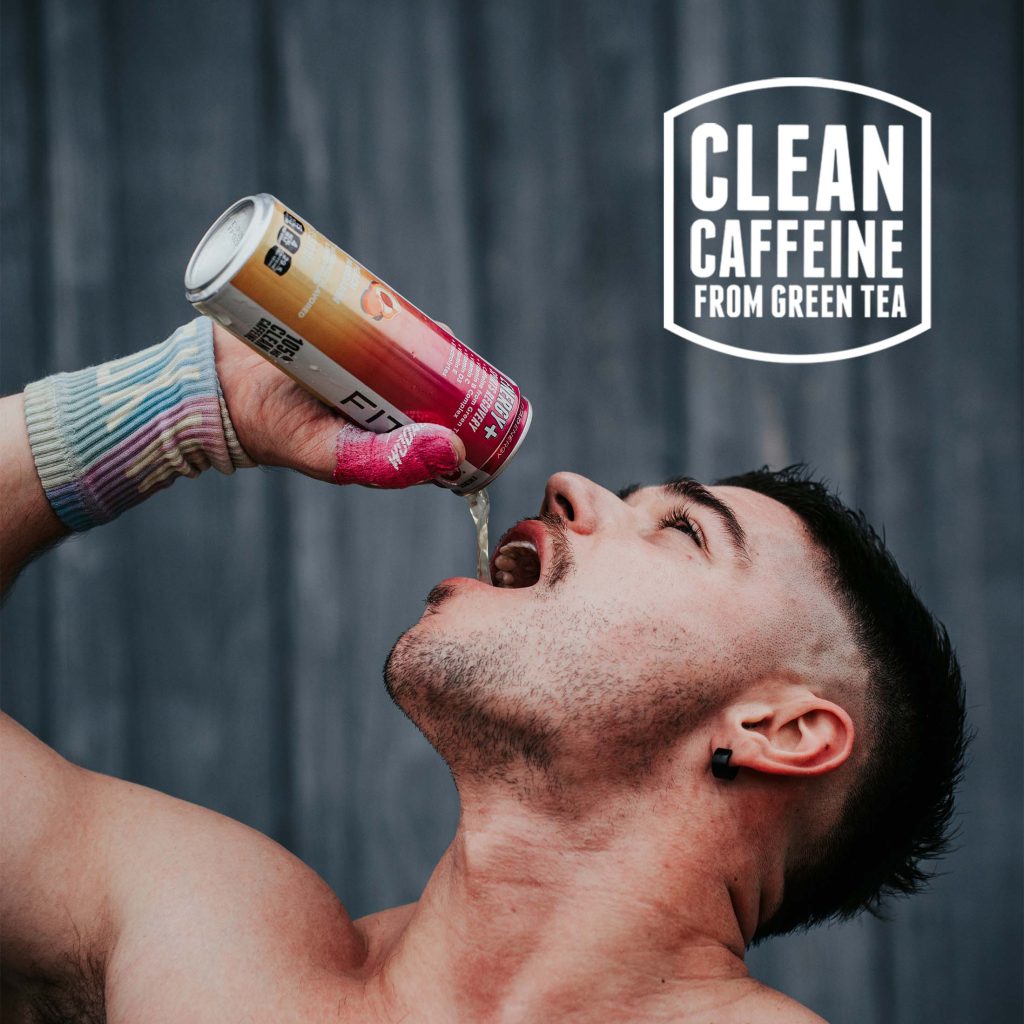
What is plant-based caffeine? Plant-based caffeine is caffeine that is naturally sourced from plants, such as green tea leaves or yerba mate, rather than synthesized in an industrial process. The caffeine molecule itself is the same, but plant sources naturally contain additional compounds like polyphenols and amino acids. Is plant-based caffeine different from synthetic caffeine? Chemically, caffeine is caffeine. The...
Strength, Hormonal Transitions & Modern Supplementation Search interest in “creatine and menopause” has increased significantly in the past five years. Why? Because more women are: • Strength training in midlife• Learning about muscle preservation• Navigating perimenopause and menopause• Asking smarter questions about supplementation Menopause is not a weakness phase. It is a transition. And muscle, energy, and resilience become even...
What Changes — and What You Can Actually Control Turning 40 doesn’t flip a biological switch. But it does begin a gradual shift in: • Hormonal patterns• Muscle maintenance• Recovery speed• Metabolic efficiency Search interest in: “muscle loss after 40”“metabolism slowing after 40”“hormones and weight gain after 40” has surged in recent years — especially among women navigating perimenopause and...