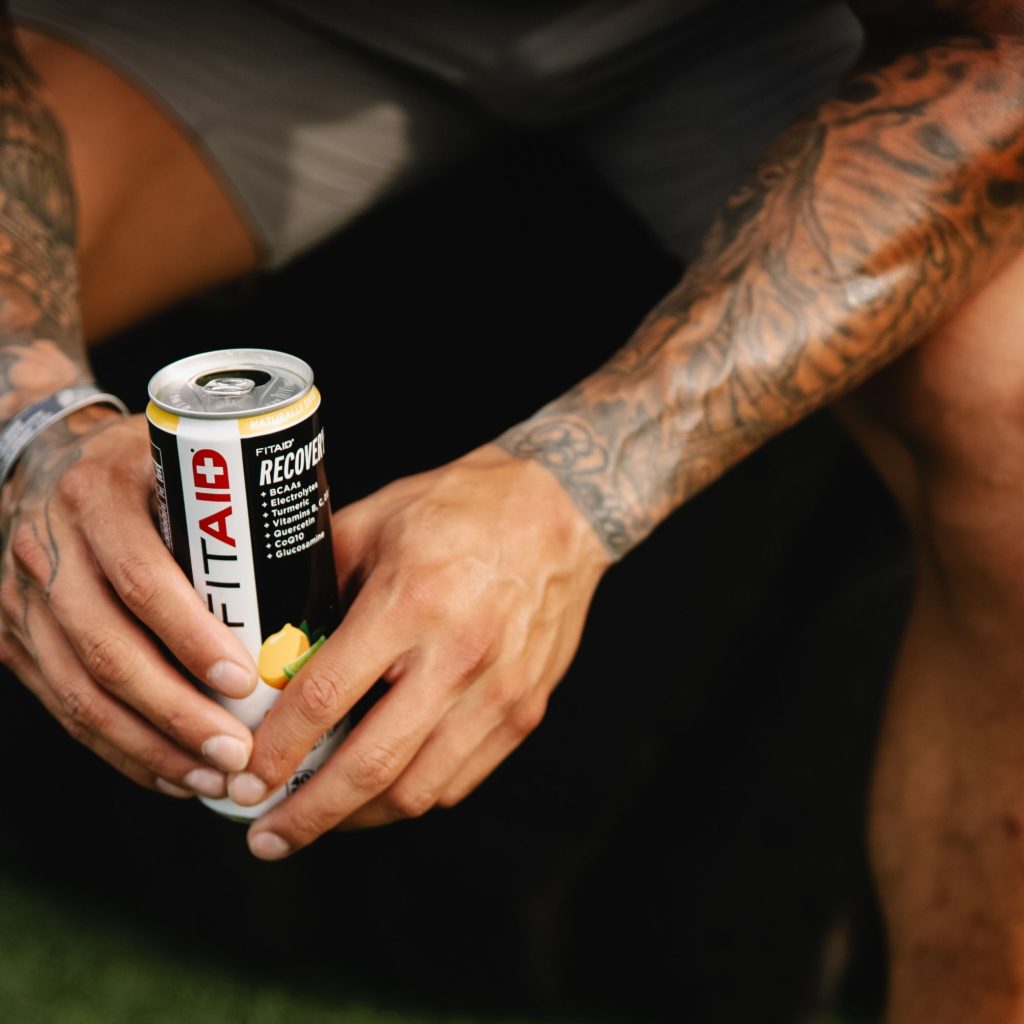
Evening Workouts, Stress Hormones & Smarter Recovery
Training at night works for a lot of people.
Busy schedules. Late meetings. Family logistics. Gym access.
But if you’ve ever asked:
- “Does working out at night raise cortisol?”
- “Why can’t I sleep after an evening workout?”
- “Is it bad to train at night?”
- “Can I take creatine at night?”
You’re thinking in the right direction.
Let’s break down what cortisol actually does — and how to train at night without sabotaging sleep or recovery.
What Is Cortisol, Really?
Cortisol is often labeled a “stress hormone.”
But that’s incomplete.
Cortisol helps:
• Regulate blood sugar
• Mobilize energy
• Support immune function
• Maintain blood pressure
• Respond to physical stress
According to the Endocrine Society:
“Cortisol is essential for life and helps the body respond to stress.”
Exercise is a form of stress — a beneficial one.
So yes:
Exercise increases cortisol.
That’s normal.
Does Night Training Raise Cortisol?
Short answer: yes — temporarily.
During intense exercise:
• Adrenaline rises
• Heart rate increases
• Cortisol rises
• Body temperature increases
That’s the point.
The concern is not whether cortisol rises.
It’s whether it stays elevated too long — especially close to bedtime.
Why Night Training Can Affect Sleep
Sleep onset requires:
• Lower body temperature
• Reduced sympathetic nervous system activity
• Lower heart rate
• Parasympathetic dominance
If you train at 8:30pm and go straight to bed at 9:30pm, your system may still be:
• Warm
• Alert
• Activated
• Cortisol-elevated
That can delay sleep.
But this is manageable.
Cortisol Isn’t the Villain — Chronic Stress Is
Cortisol naturally follows a rhythm:
• Highest in the morning
• Gradually declines throughout the day
• Lowest at night
Late-night stress, bright lights, caffeine, or intense training can temporarily interrupt this rhythm.
But context matters.
If overall lifestyle stress is controlled, night training is not inherently harmful.
Who Should Be Careful With Night Training?
Evening training may require more structure if you:
• Are highly sensitive to caffeine
• Already struggle with insomnia
• Have high daily stress
• Train at maximal intensity frequently
• Experience post-workout anxiety
It’s not about avoiding night training.
It’s about programming it intelligently.
Caffeine & Night Training
This is where most problems begin.
Caffeine stimulates:
• Adrenaline
• Alertness
• Central nervous system activation
If consumed within 6–8 hours of bedtime, caffeine may interfere with sleep quality.
If you train at night, you may want to avoid stimulant-based pre-workouts entirely.
FITAID Creatine: Caffeine-Free Performance Support
This is where clarity matters.
FITAID Creatine (formerly FITAID RX) is caffeine-free.
That means:
• No stimulant spike
• No added nervous system activation
• No late-night caffeine disruption
• No synthetic stimulants
FITAID Creatine supports training through creatine supplementation — not through caffeine.
It is available in:
• Powder format
• Ready-to-drink format (using CreaBev® encapsulated creatine technology)
Because it is caffeine-free, FITAID Creatine can be used:
✔ Before evening training
✔ After evening training
✔ As part of daily creatine supplementation
✔ Without interfering with sleep timing
Creatine supports ATP regeneration.
It does not stimulate the nervous system.
Does Creatine Raise Cortisol?
Creatine is not a stimulant.
It does not directly increase adrenaline or cortisol.
Creatine supports:
• High-intensity output
• Power production
• Training capacity
Source: International Society of Sports Nutrition Position Stand
https://jissn.biomedcentral.com/articles/10.1186/s12970-017-0173-z
Creatine does not interfere with sleep architecture in healthy individuals.
This makes it suitable for evening athletes.
How to Train at Night Without Wrecking Sleep
1. Choose Caffeine-Free Performance Support
If training at night:
Avoid stimulant-based pre-workouts.
Use caffeine-free creatine support like FITAID Creatine instead.
2. Extend Your Cooldown
Add 5–10 minutes of:
• Slow walking
• Deep breathing
• Long exhalations
• Mobility work
This helps shift from sympathetic to parasympathetic mode.
3. Lower Core Temperature
Sleep requires cooling.
Strategies:
• Lukewarm shower
• Cool bedroom (65–68°F)
• Light bedding
Avoid very hot showers right before bed.
4. Replenish Properly
Post-workout:
✔ Protein
✔ Carbohydrates
✔ Electrolytes
✔ Hydration
Skipping recovery nutrition can prolong cortisol elevation.
5. Support Nervous System Wind-Down
Magnesium plays a role in:
• Muscle relaxation
• Nerve transmission
• Energy metabolism
Source: NIH Magnesium Fact Sheet
https://ods.od.nih.gov/factsheets/Magnesium-HealthProfessional
FITAID Magnesium Glycinate can integrate into evening routines to support muscle and nervous system balance.
DreamAid GO includes:
• Melatonin
• Chamomile
• Valerian
• Lemon Balm
• GABA
• Magnesium Glycinate
This supports circadian timing and relaxation.
Is Morning Training Better for Cortisol?
Morning training aligns naturally with the body’s higher cortisol rhythm.
But lifestyle adherence matters more than theoretical optimization.
The best training time is the one you consistently stick with.
Just build a recovery structure around it.
FAQ: Cortisol & Night Training
Does working out at night increase cortisol?
Yes, exercise temporarily increases cortisol. The key is allowing levels to normalize before sleep.
Is it bad to lift weights at night?
No. Night training can be effective if you manage caffeine, cooldown, and recovery properly.
Can I take creatine at night?
Yes. Creatine is not a stimulant and does not contain caffeine. FITAID Creatine is caffeine-free and suitable for evening use.
Does caffeine-free pre-workout exist?
Yes. FITAID Creatine is a caffeine-free performance option designed to support training without stimulants.
Voice Search Optimized Answer
If someone asks:
“Can I train at night without raising cortisol too much?”
Answer:
Yes. Exercise temporarily raises cortisol, but that’s normal. To support sleep after night training, avoid caffeine, use a caffeine-free creatine like FITAID Creatine, extend your cooldown, cool your body temperature, and prioritize recovery nutrition.
The Big Takeaway
Cortisol is not the enemy.
Unmanaged stress is.
Night training can work.
But it requires:
• Caffeine awareness
• Structured cooldown
• Proper recovery nutrition
• Magnesium support
• Sleep hygiene
FITAID Creatine — formerly FITAID RX — is caffeine-free, making it a smart option for evening athletes who want performance support without stimulant interference.
Train when you can.
Recover intentionally.
Sleep deeply.
That’s sustainable performance.