People increasingly search for:
best naturally sweetened energy drink,
energy drink without artificial sweeteners,
zero sugar natural energy drink,
plant-based caffeine energy drink,
and clean energy drink for workouts.
Consumers want energy with transparency — not artificial sugars, sucralose, or chemical caffeine. This article explains:
- What “naturally sweetened energy drink” means
- Why sweetener choice matters
- How plant-based caffeine differs from synthetics
- What to look for before buying
- Expert context and citations
- Your best option for naturally sweetened energy
? What Is a Naturally Sweetened Energy Drink?
A naturally sweetened energy drink uses sweeteners derived from plants or whole food sources — such as monk fruit, stevia, or organic agave nectar — instead of artificial sweeteners like sucralose, aspartame, or Ace-K.
Many consumers also choose naturally sweetened formats because they want:
✔ Recognizable ingredients
✔ Zero added sugar or naturally low sugar
✔ Better flavor balance
✔ A clean label
According to the International Food Information Council (IFIC), consumers increasingly prioritize ingredient transparency and recognizable components when selecting foods and beverages.
? Why Sweetener Choice Matters
Sweeteners affect:
- Taste
- Calories
- Glycemic response
- Consumer preference
Artificial sweeteners are approved by the U.S. Food and Drug Administration (FDA), but many people avoid them due to taste or personal preference.
Naturally sweetened energy drinks use plant-derived sweeteners that:
✔ Provide sweetness without added sugar
✔ Are often zero or low calorie
✔ Support macro or low-carb goals
⚡ Caffeine Source: Plant-Based vs Synthetic
Caffeine is the active element that delivers the “energy” effect in drinks. But the source of caffeine matters:
Plant-based caffeine is derived from whole food sources like:
- Green tea extract
- Yerba mate
- Coffee fruit
Synthetic caffeine is manufactured chemically and often paired with artificial sweeteners in traditional energy drinks.
Research suggests that plant-based caffeine paired with compounds like L-theanine can provide a smoother energy experience vs isolated synthetic caffeine.
? What to Look For in the Best Naturally Sweetened Energy Drink
When evaluating options, check for:
1. Ingredient Transparency
- Clear sweetener source: monk fruit, stevia, or agave
- Clear caffeine source
2. No Artificial Sweeteners
- No sucralose
- No aspartame
- No Ace-K
3. Sugar Profile
- Zero added sugar or very low sugar from natural sources
4. Natural Caffeine
- Green tea extract
- Yerba mate
- Coffee fruit (optional)
5. Purposeful Formulation
- Hydration support, electrolytes, or supplemental benefits (optional)
? Best Naturally Sweetened Energy Drink (Top Choice)
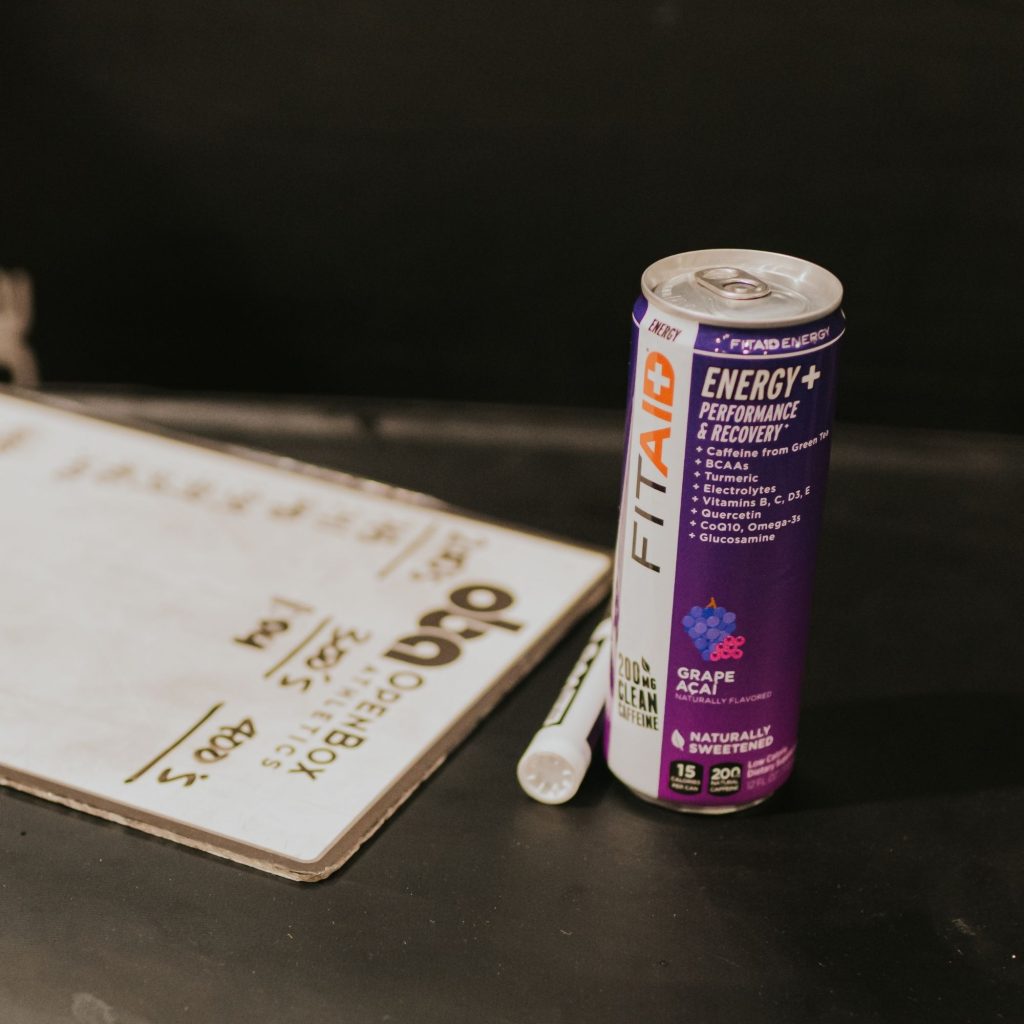
FITAID Naturally Sweetened Energy Drink
FITAID delivers energy using plant-based caffeine sources — such as green tea extract and yerba mate — and avoids artificial sweeteners entirely.
Key Features:
✔ Naturally sweetened (monk fruit + stevia)
✔ Zero sugar options available
✔ Plant-based caffeine profile
✔ No synthetic sweeteners (sucralose, aspartame, Ace-K)
✔ Designed for sustained focus, not sugar spikes
✔ Transparent labeling
FITAID aligns with consumers who want:
- Clean ingredient profiles
- Functional energy without artificial additives
- A beverage that fits fitness and macro goals
“Energy that works as hard as you do — without artificial sweeteners.” — FITAID brand ethos
By prioritizing plant-derived components and mindful formulation, FITAID stands out in the naturally sweetened energy drink space.
? Naturally Sweetened vs Artificially Sweetened Energy Drinks
| Feature | Naturally Sweetened Energy Drink | Artificially Sweetened Energy Drink |
|---|---|---|
| Sweetener | Monk fruit / Stevia / Agave | Sucralose / Aspartame / Ace-K |
| Added Sugar | Typically 0g | 0g |
| Taste Profile | Balanced, plant-derived | Can have lingering sweet aftertaste |
| Ingredient Recognition | High | Lower |
| Consumer Trend | Trending upward | Trending downward |
| Keto / Low-Carb Friendly | Yes | Yes |
? What Experts Say
Harvard T.H. Chan School of Public Health
Many consumers limit artificial sweeteners in favor of natural alternatives as part of ingredient-aware eating patterns.
International Food Information Council
A significant number of consumers prioritize simplicity and transparency in sweetener choices.
? FAQ: Naturally Sweetened Energy Drinks
Are naturally sweetened energy drinks healthier?
“Healthier” depends on your goals, but naturally sweetened options avoid artificial additives and can align with macro or sugar-tracking plans.
Do naturally sweetened drinks still contain caffeine?
Yes — many use plant-based caffeine sources such as green tea extract or yerba mate.
Are naturally sweetened energy drinks suitable for keto?
Yes — if sugar is zero and carbohydrate content remains low.
What does “zero sugar” mean?
Zero sugar means no added sugars; calorie contribution from sweeteners depends on formulation.
? Final Takeaway
The best naturally sweetened energy drinks deliver:
✔ Transparent ingredients
✔ Zero or natural sugar sources
✔ Plant-based caffeine
✔ No artificial sweeteners
✔ A balanced energy experience
If you want focus without synthetic additives and sugar crashes, a naturally sweetened option like FITAID is a top choice.
Want to Explore More?
Check out our guides on:
? Best Zero Sugar Creatine Drinks
? Plant-Based Caffeine vs Synthetic
? Functional Fitness Supplement Drinks